Invited speakers for ALAN 2027
Governance and Regulation
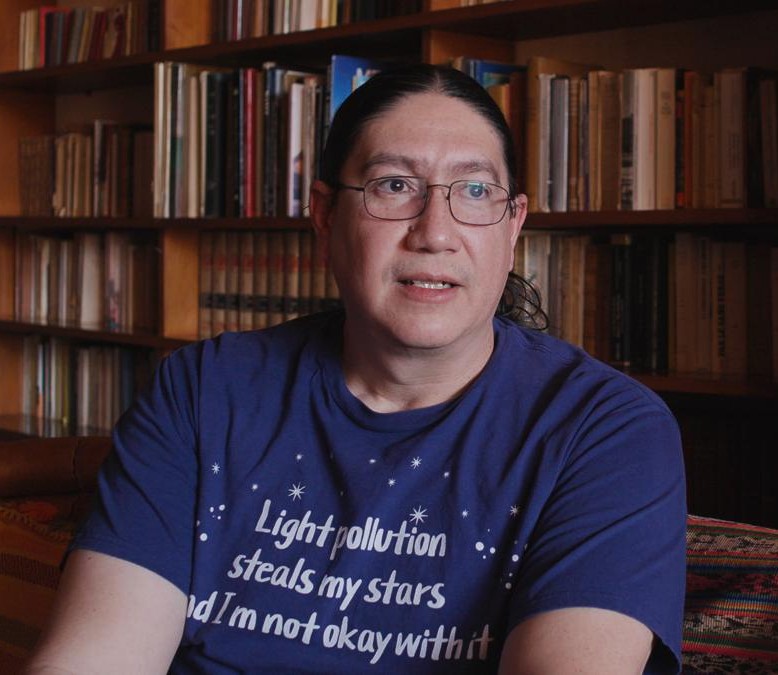
Fernando Avila
, M.Sc.
National Astronomical Observatory of the Astronomy, National Autonomous University of Mexico
Fernando Avila was born in Nogales, Mexico. His bachelor and graduate studies were in physics, with a specialty in astrophysics. A big proponent of science outreach, Fernando Avila has done public talks, public astronomy observations, interviews and news articles for newspapers, magazines, radio,
and television, for over thirty years. With one of the highlights is having an chapter in the book ”The Right to Dark Skies” published by UNESCO.
Fernando is currently employed at the National Astronomical Observatory of the Astronomy Institute of the National Autonomous University of Mexico. At the Observatory, he is in charge of the Dark Skies Law Office where he has put his outreach experience to educate about the issues of light pollution and how can it be reduced without compromising safety.
A big part of his work at the Dark Skies Law Office is working closely with the three levels of Mexican government, promoting laws and ordinances to reduce light pollution.
So far, he has been involved in creating or updating our municipal ordinances, four state laws, one federal law to include light pollution, and is currently working towards a national level technical specification on artificial light control.
Fernando Avila is also the Dark Sky International Mexico Chapter leader since 2013. In 2016, Dark Sky International gave Fernando a Dark Skies Defender Award and it’s currently serving in this organization’s Board of Directors since 2023. He is also part of IAUWorking Group 1: Light Pollution Standard.
Social Sciences and Humanities
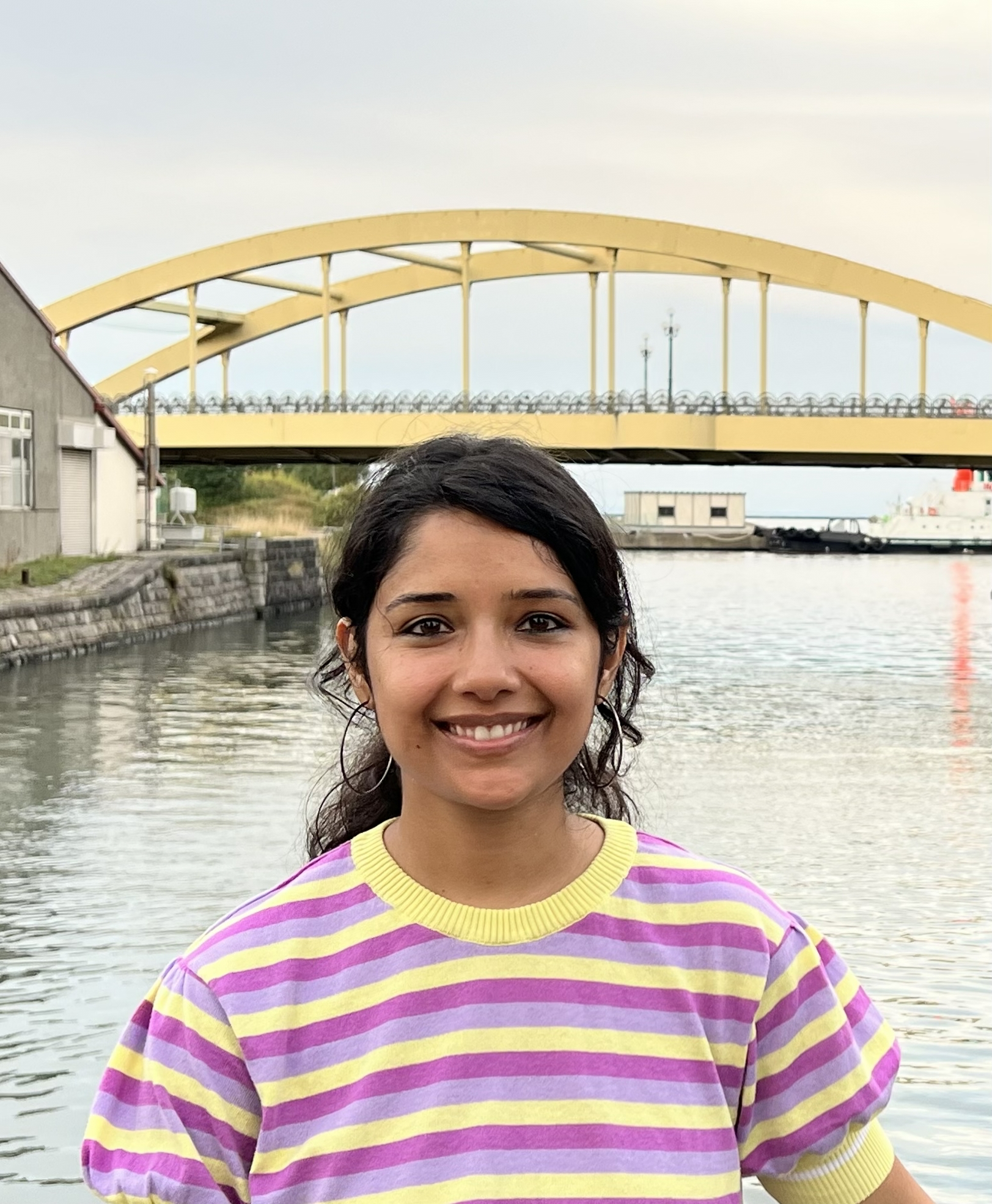
Sonal Asgotraa
Founder Astrostays, India
Sonal Asgotraa is the Founder of Astrostays. An electrical engineer by education, Sonal merges Astronomy and community development interventions to create a community-led astro-tourism initiative that empowers local communities in remote areas through sustainable tourism by transforming village homestays into Cultural and Astronomy Hubs and bringing economic benefits of tourism directly to lesser-known, rural areas. Sonal was also a team member of the 2013 International Antarctic Expedition led by Polar Explorer, Sir Robert Swan, OBE.
Biology and Ecology
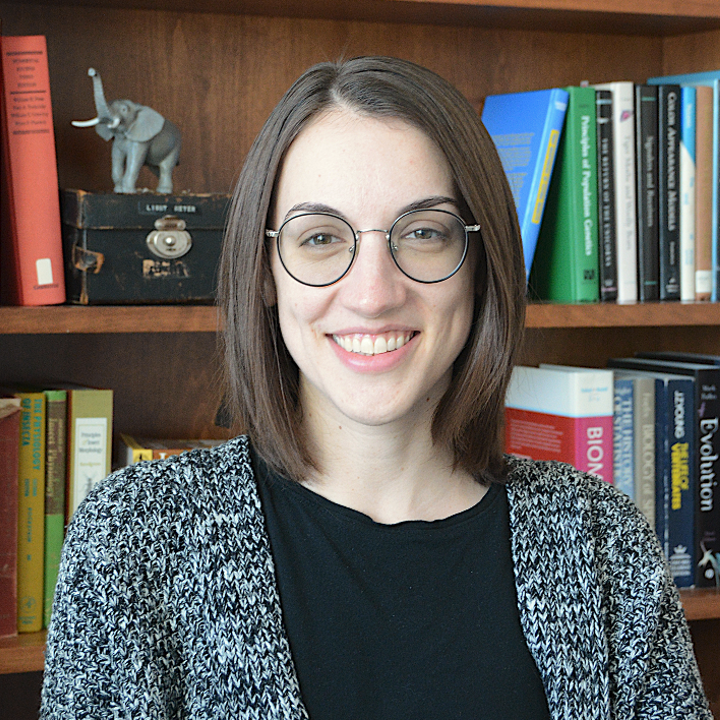
Avalon Owens, Ph.D.
The Rowland Institute at Harvard, USA
Avalon Owens is a research fellow at the Rowland Institute at Harvard, where her group works to document the myriad ways in which artificial light at night affects nocturnal flora and fauna (mostly insects). Avalon has spent close to a decade studying how artificial light threatens fireflies and what “firefly friendly” lighting practices can best protect them. At the Rowland Institute, her group is currently investigating the ecological costs and evolutionary consequences of moth flight-to-light behavior. Moths that get stuck swirling around porch lights are not able to find mates or visit flowers—in this way, light pollution might threaten both our food systems and the future of life on earth. Visit owenslab.org to learn more about their ongoing projects.
Avalon received her Ph.D. in Biology from Tufts University in 2022. She also holds a B.A. in Organismic and Evolutionary Biology from Harvard University and an M.S. in Entomology from National Taiwan University. She is committed to turning scientific recommendations into real world results through public outreach and policy advocacy. As part of these efforts, she frequently collaborates both with DarkSky International and the Xerces Society for Invertebrate Conservation. She is moving her laboratory to the University of Montreal Department of Biological Sciences in summer 2027.
Health
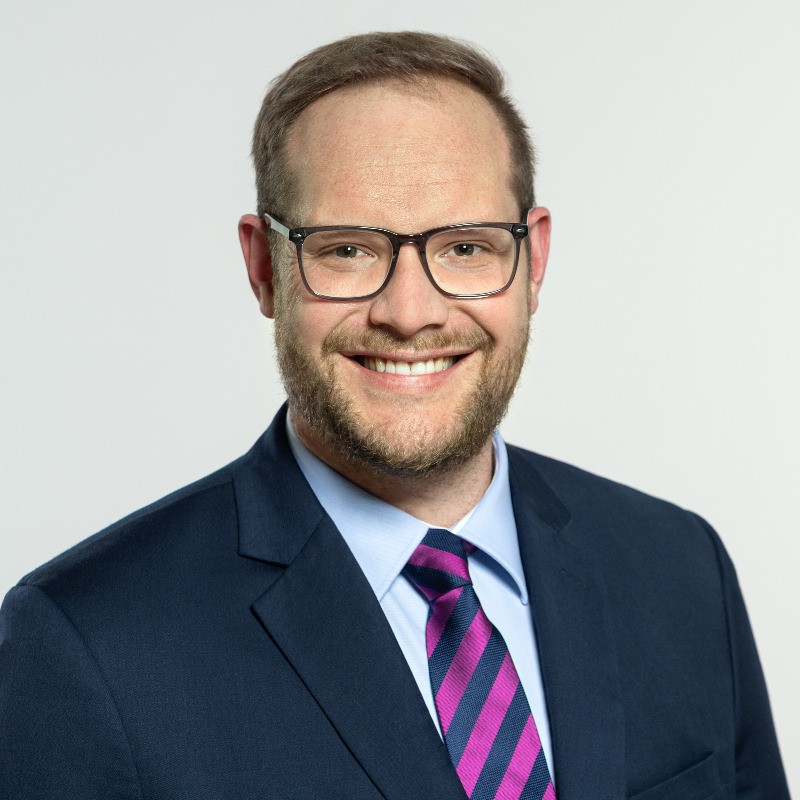
Manuel Spitschan, Ph.D.
Professor of Chronobiology & Health / Max Planck Research Group Leader, University of Munich, Germany
Manuel Spitschan is the Rudolf Mössbauer Assistant Professor of Chronobiology & Health at Technical University of Munich and Max Planck Research Group Leader at the Max Planck Institute for Biological Cybernetics. After undergraduate studies in psychology at the University of St Andrews (2009-2012), he completed his PhD on melanopsin sensitivity in the human visual system at the University of Pennsylvania (2012-2016). Following a post-doc at Stanford University (2016-2017), he joined the University of Oxford on a Sir Henry Wellcome Postdoctoral Fellowship, through which he collaborated with the Centre for Chronobiology in Basel (2017-2021). He is the current Speaker of the Steering Committee of the Daylight Academy, Chair of the Joint Technical Committee 20 of the CIE and past Chair of the Optica (formerly OSA) Color Technical Group.
Measurement and Models
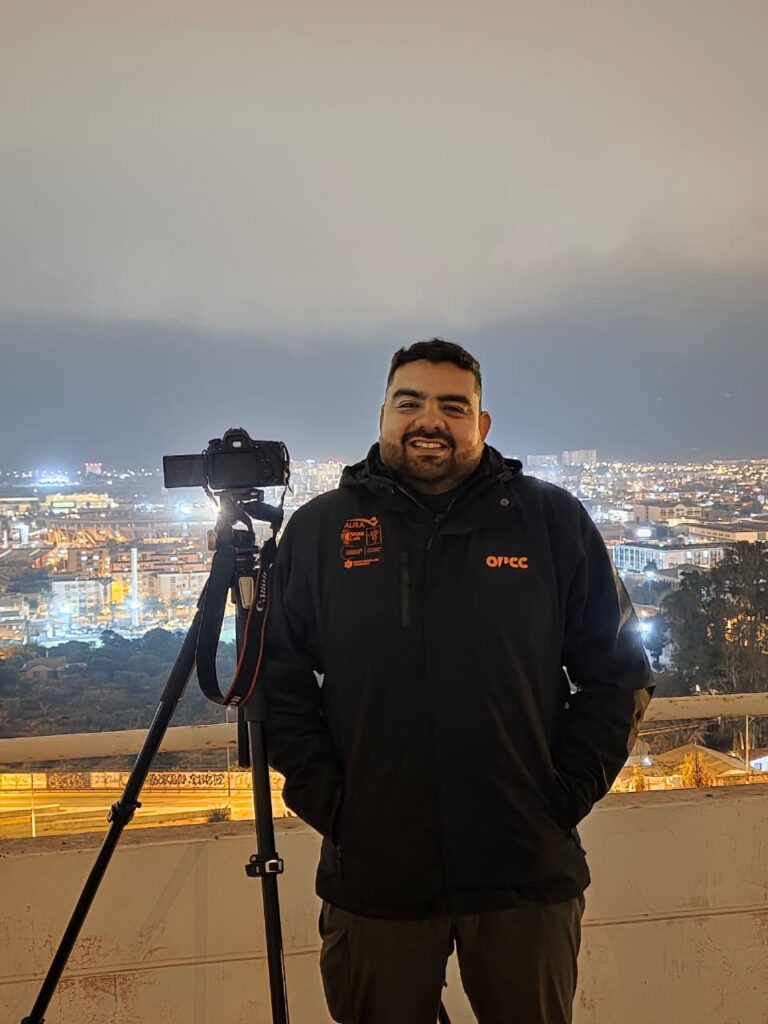
Juan Pablo Uchima Tamayo, Ph.D.
Northern Sky Quality Protection Office (OPCC), Universidad de la Serena, Chile
Juan Pablo Uchima Tamayo is a Physicist Engineer and Astronomer specializing in night-sky characterization and artificial light at night (ALAN). He holds a degree in Physics Engineering from the Technological University of Pereira.
He obtained both his M.Sc. and Ph.D. in Astronomy from the University of La Serena, with theses focused on light pollution and ALAN. He is recognized as the first student in Chile to complete both graduate degrees in Astronomy with research specifically dedicated to light pollution.
Currently, he works as a Data Specialist at the Oficina de Protección de la Calidad del Cielo del Norte (OPCC), where he conducts research on sky quality monitoring, the evolution of artificial light at night, and the protection of dark skies in northern Chile. His work also involves numerical modeling of light pollution to assess its impacts on astronomical observatories and natural environments.
As part of his current responsibilities at OPCC, he has carried out sky quality and light pollution monitoring campaigns at all major astronomical observatories under the institution’s responsibility, contributing to the characterization and long-term protection of some of the world’s most important dark-sky sites for astronomy. In addition, he actively participates in outreach and educational activities aimed at raising public awareness about the importance of preserving and protecting dark skies as a natural, scientific, and cultural heritage.
Technology and Design
Paulina Villalobos,
Ph.D.
Founder, DIAV | Board Member, DarkSky International | Director of Regulations, API Chile | Postgraduate Professor, University of Chile
Paulina Villalobos hails from the Atacama Desert in Chile — home to the driest and clearest night skies on Earth. In 2005, she founded DIAV, an architectural lighting design practice based in Santiago, Chile, and developed the Conceptual Design for Singapore. Her work has received prestigious lighting design awards across Europe, Asia, and the United States. Notably, she was the inaugural recipient of the Dora Riedel Award for Innovation, granted by the Chilean College of Architects.
In 2012, she founded Noche Zero, a global initiative to shift the paradigm of urban lighting planning by promoting thoughtful design that integrates ecology, human health, and light pollution control. Noche Zero received the Dark Sky Defender Award in 2012 and was nominated for the Award at Large at PLDC Copenhagen.
Paulina serves as a postgraduate professor of lighting design at the University of Chile and Universidad Autónoma, and is an active international speaker who has presented worldwide. She is the editor of the lighting chapter for Chile’s Guide to Sustainable Public Spaces and works as an expert consultant on regulations for Chile’s Ministry of Energy, Ministry of Environment, and Ministry of Housing and Urban Development. Through her public policy work, she champions lighting design and strategic planning as the ultimate solution for mitigating light pollution while enhancing public safety, human well-being, and environmental protection.